

Biotech SEO in 2024: The Ultimate Guide to Ranking, Best Practices, and Success Stories
TL;DR: In this article, we go deep on Biotech SEO, including tips on proven keyword research and optimization techniques, technical SEO considerations to ensure your site is fast, secure, and easily crawlable, and KPIs to measure your SEO success and ROI.
In 2024, biotech companies that don't prioritize SEO are leaving money on the table.
With the right strategies, you can boost your rankings, drive organic traffic, and establish your brand as a thought leader in the biotech space.
But the world of biotech SEO is complex and ever-changing. What worked last year might not cut it today.
That's why we've put together this ultimate guide to biotech SEO in 2024. Inside, you'll discover:
Proven keyword research and optimization techniques to outrank your competitors
Technical SEO considerations to ensure your site is fast, secure, and easily crawlable
Key performance indicators (KPIs) to measure your SEO success and ROI
Whether you're a startup looking to gain traction or an established player aiming to solidify your market position, this guide has you covered.
Let's dive in.
Biotech SEO Strategies for 2024: Boost Your Rankings
Implement advanced keyword research and optimization techniques to target high-value search terms
Leverage on-page SEO best practices to improve user experience and search engine visibility
Build high-quality backlinks through strategic link building tactics to boost domain authority
Keyword Research and Optimization Techniques for Biotech SEO
Identifying the right keywords is crucial for driving targeted traffic to your biotech website. Focus on high-volume, low-competition keywords that are highly relevant to your niche.
Use tools like Google Keyword Planner, Ahrefs, or SEMrush to uncover valuable keyword opportunities. For example, a study found that 55% of people surveyed rely more on the internet for their health-related information than they did just five years ago, and symptoms, treatments, and medication are the most frequently searched items.
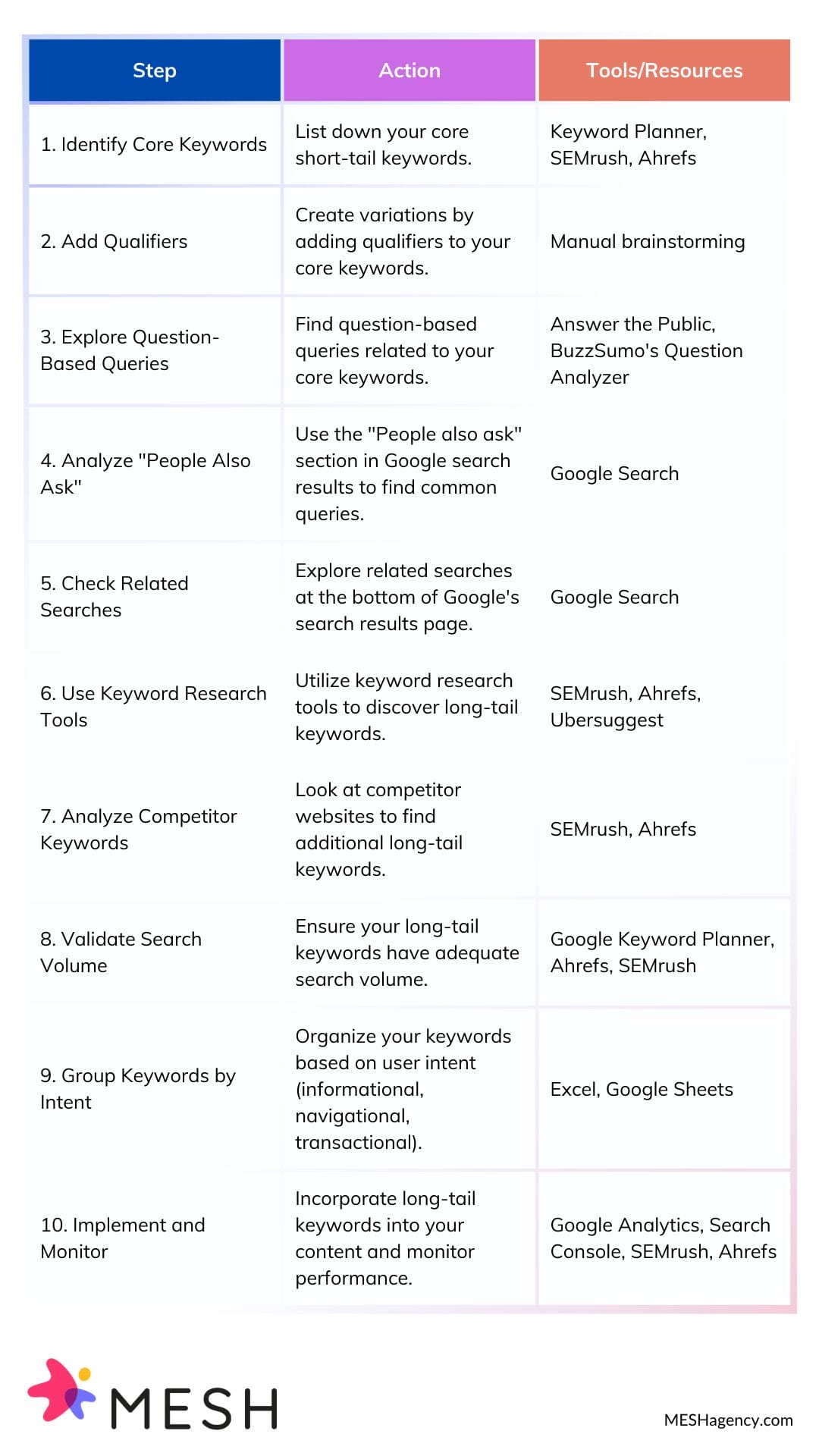
Once you've identified your target keywords, optimize your meta titles, descriptions, and header tags to include them naturally. This helps search engines understand the context and relevance of your content. Additionally, incorporate long-tail keywords and semantic variations throughout your content to capture a wider range of search queries.
Advanced Keyword Research Strategies
Analyze competitor keywords to identify gaps and opportunities
Use keyword clustering to group semantically related keywords
Leverage keyword intent to target users at different stages of the buyer's journey
On-Page SEO Best Practices for Biotech Websites
On-page SEO goes beyond keyword optimization. It involves optimizing various elements of your website to improve user experience and search engine visibility. Start by ensuring a clear site structure and easy navigation. Use descriptive URLs, breadcrumbs, and internal linking to help users and search engines navigate your site easily.
Page load speed is a critical factor in both user experience and search engine rankings. Optimize your images, minify CSS and JavaScript files, and leverage browser caching to improve page load times. Additionally, ensure your website is mobile-responsive to cater to the growing number of mobile users. According to Google, mobile-friendly websites are crucial as more than 50% of all internet traffic comes from mobile devices.
Implementing schema markup can enhance your website's visibility in search results. Schema markup is a code that helps search engines understand the content and context of your web pages. By using relevant schema types like Product, Article, or Organization, you can provide rich snippets and stand out in the search results.
Technical SEO Considerations
Implement proper canonicalization to avoid duplicate content issues
Use robots.txt and XML sitemaps to guide search engine crawlers
Monitor and fix broken links and crawl errors regularly
Link Building Tactics to Improve Domain Authority
Link building is an essential aspect of SEO that helps improve your website's domain authority and search engine rankings. Focus on pursuing high-quality backlinks from reputable biotech industry websites. Reach out to influencers, thought leaders, and industry publications for link building opportunities.
Guest blogging is an effective way to acquire valuable backlinks while showcasing your expertise. Identify relevant biotech blogs and websites that accept guest contributions. Craft high-quality, informative articles that provide value to their audience and include a natural link back to your website.
Broken link building is another tactic to acquire relevant links. Use tools like Ahrefs or Broken Link Checker to identify broken links on industry websites. Reach out to the website owners, informing them about the broken link and suggesting your content as a replacement.
Advanced Link Building Strategies
Leverage data-driven content (e.g., industry reports, infographics) to attract natural links
Participate in industry forums and Q&A platforms to build relationships and drive referral traffic
Collaborate with complementary businesses for cross-promotion and link exchange
By implementing these advanced biotech SEO strategies, you can significantly boost your website's search engine rankings and drive targeted traffic in 2024. Stay up-to-date with the latest SEO trends and best practices to maintain a competitive edge in the ever-evolving digital landscape.
Biotech Search Engine Optimization: Technical Considerations
Boost your biotech website's search engine rankings with technical SEO best practices
Learn how to conduct a technical SEO audit and implement structured data for rich snippets
Discover the importance of site speed, mobile-friendliness, and internal linking for biotech SEO success
Search engine optimization (SEO) is the practice of improving a website's visibility and rankings on search engines like Google. Technical SEO focuses on optimizing the behind-the-scenes elements of a website to make it easier for search engines to crawl, index, and understand its content. For biotech companies, technical SEO is crucial for ensuring that their website is easily discoverable by potential customers, investors, and researchers. By implementing technical SEO best practices, biotech companies can improve their website's search engine rankings, drive more organic traffic, and ultimately generate more leads and revenue.
Conducting a Technical SEO Audit
The first step in improving your biotech website's technical SEO is to conduct a thorough audit. This involves identifying and fixing any technical issues that may be hindering your website's search engine performance.
Identify and Fix Crawl Errors, Broken Links, and Duplicate Content Issues
Crawl errors occur when search engine bots are unable to access and index your website's pages. This can happen due to broken links, server errors, or robots.txt file issues. To identify crawl errors, use tools like Google Search Console or Screaming Frog.
Broken links and duplicate content can also negatively impact your website's search engine rankings. Broken links lead to a poor user experience and can cause search engines to devalue your website. Duplicate content, on the other hand, can confuse search engines and dilute your website's authority.
To fix these issues, regularly monitor your website for broken links and use 301 redirects to point them to relevant, working pages. For duplicate content, use canonical tags to specify the preferred version of a page or consolidate similar pages into one.
Ensure Proper Indexing and XML Sitemap Optimization
Indexing refers to the process of search engines discovering, analyzing, and storing your website's pages in their database. To ensure proper indexing, make sure that your website's important pages are accessible to search engine bots and not blocked by robots.txt files or noindex tags.
An XML sitemap is a file that lists all the pages on your website that you want search engines to index. It helps search engines discover and prioritize your website's content. To optimize your XML sitemap, include only canonical URLs, update it regularly, and submit it to Google Search Console.
Implement HTTPS and Secure Site Configuration
HTTPS (Hypertext Transfer Protocol Secure) is a protocol that encrypts data transmitted between a user's browser and your website. It helps protect sensitive information like login credentials and financial transactions from being intercepted by hackers.
In addition to providing security, HTTPS is also a ranking factor for Google. Websites that use HTTPS are given a slight ranking boost over those that don't. To implement HTTPS on your biotech website, obtain an SSL certificate from a trusted certificate authority and configure your server to use HTTPS.
Structured Data and Rich Snippets for Biotech Content
Structured data is a standardized format for providing information about a page and classifying its content. It helps search engines better understand and display your website's content in search results.
Utilize Appropriate Schema Markup for Products, Research, and Events
Schema markup is a type of structured data that uses a shared vocabulary to describe the properties of a page. For biotech websites, relevant schema types include:
Product schema for describing biotech products like drugs, devices, and reagents
Medical WebPage schema for marking up medical and scientific content
Event schema for promoting conferences, webinars, and other biotech events
By implementing appropriate schema markup, you can help search engines display rich snippets for your biotech content in search results. Rich snippets are enhanced search results that include additional information like product ratings, event dates, and featured images.
Optimize for Featured Snippets and "People Also Ask" Results
Featured snippets are selected search results that appear at the top of Google's search results page in a special box. They aim to directly answer a user's query without them having to click through to a website.
To optimize for featured snippets, identify common questions related to your biotech products or services and provide clear, concise answers in your content. Use header tags (H1, H2, H3) to structure your content and make it easier for Google to identify relevant information.
"People Also Ask" (PAA) is a Google search feature that displays related questions and answers based on a user's original query. Similar to featured snippets, optimizing for PAA involves identifying relevant questions and providing succinct, informative answers in your content.
Implement Open Graph and Twitter (X) Card Meta Tags for Social Sharing
Open Graph and Twitter Card meta tags are snippets of code that control how your website's content appears when shared on social media platforms like Facebook, Twitter, and LinkedIn.
By implementing these meta tags, you can ensure that your biotech content looks appealing and informative when shared on social media. This can help drive more clicks and traffic back to your website from social media users.
Site Speed and Mobile-Friendliness for Biotech SEO
Site speed and mobile-friendliness are two critical technical SEO factors that can impact your biotech website's search engine rankings and user experience.
Optimize Site Speed for Faster Page Load Times
Site speed refers to how quickly your website's pages load for users. Faster load times lead to better user experience, lower bounce rates, and improved search engine rankings.
To optimize your biotech website's speed, consider the following:
Minimize HTTP requests by consolidating files and using CSS sprites
Compress images and use appropriate file formats (JPEG for photos, PNG for graphics)
Minify CSS, JavaScript, and HTML code to reduce file sizes
Enable browser caching to store frequently accessed files locally
Use a content delivery network (CDN) to serve content from servers closest to users
Ensure Mobile-Friendliness for Better User Experience
With the increasing use of smartphones and tablets, having a mobile-friendly website is no longer optional. Google uses mobile-friendliness as a ranking factor, and websites that aren't optimized for mobile devices may see a decrease in search engine visibility.
To ensure your biotech website is mobile-friendly:
Use responsive design to adapt your website's layout to different screen sizes
Optimize images and videos for mobile devices
Ensure text is readable without zooming
Make sure buttons and links are easily clickable on mobile screens
Avoid using Flash or other technologies not supported by mobile browsers
Internal Linking for Better Site Structure and Authority Distribution
Internal linking refers to the practice of linking one page on your website to another. It helps establish a clear site structure, distributes link equity (or "authority") throughout your website, and helps search engines understand the relationships between your pages.
Create a Clear, Hierarchical Site Structure
A well-organized site structure makes it easier for users and search engines to navigate your biotech website. It also helps distribute link equity more evenly across your pages.
To create a clear site structure:
Use categories and subcategories to organize your content logically
Implement breadcrumb navigation to show users their location within your site hierarchy
Limit the number of clicks required to reach any page from your homepage (aim for 3 or fewer)
Use descriptive, keyword-rich URLs that reflect your site structure (e.g., /products/reagents/pcr-enzymes)
Link to Relevant Internal Pages Using Descriptive Anchor Text
When linking between pages on your website, use descriptive anchor text that accurately reflects the content of the linked page. This helps search engines understand the context and relevance of your internal links.
For example, instead of using generic anchor text like "click here," use phrases like "learn more about our PCR enzymes" or "read our latest biotech research paper."
Also, make sure to link to relevant internal pages from your high-authority pages (like your homepage or key product pages) to distribute link equity more effectively.
By conducting a thorough technical SEO audit, implementing structured data and rich snippets, optimizing for site speed and mobile-friendliness, and creating a clear internal linking structure, you can significantly improve your biotech website's search engine rankings and visibility. These technical SEO best practices, combined with the on-page and off-page strategies discussed in the previous section, form a comprehensive approach to biotech SEO success in 2024.
Measuring Biotech SEO Rankings and Performance
TL;DR:
KPIs, analytics tools, and ongoing monitoring are crucial for biotech SEO success
Dig deep into user behavior, competitor strategies, and industry trends
Leverage data-driven insights to optimize your biotech website's performance
Key Performance Indicators (KPIs) for Biotech SEO
Tracking the right metrics is essential to gauge the success of your biotech SEO efforts. Organic traffic growth and conversion rates provide a clear picture of how well your website is attracting and engaging visitors. Keep a close eye on keyword rankings and SERP positions to understand your site's visibility for critical industry terms.
For Biotech SEO, User Engagement Metrics Matter
Don't overlook user engagement metrics like bounce rate and time on page. These indicators offer valuable insights into how visitors interact with your content. A high bounce rate may suggest that your landing pages aren't meeting user expectations, while low time on page could indicate a lack of engaging or relevant information.
Tools and Platforms for SEO Analytics
To make data-driven decisions, you need the right tools in your arsenal. Google Analytics and Search Console are must-haves for any biotech SEO professional. These platforms provide a wealth of information about your website's performance, from traffic sources to user behavior.
Leveraging SEO Tools for Competitive Analysis
SEO tools like SEMrush, Ahrefs, and Moz offer invaluable insights into your competitors' strategies. Analyze their keyword rankings, backlink profiles, and content approaches to identify opportunities for your own website. By understanding the competitive landscape, you can refine your biotech SEO tactics and stay ahead of the curve.
Biotech SEO: The Importance of Ongoing Monitoring
SEO is an ongoing process, not a one-time fix. Set up rank tracking and reporting dashboards to monitor your website's performance consistently. Regular check-ins will help you spot trends, identify issues, and make timely adjustments to your strategy.
Adapting to Algorithm Updates and Industry Changes
The biotech industry and search engine algorithms are constantly evolving. By monitoring your SEO performance, you can quickly adapt to these changes and maintain your website's visibility. Stay informed about industry news and algorithm updates to ensure your biotech SEO strategy remains effective.
Google’s March 2024 Core Update (2024): Focuses on improving the quality and relevance of search results by prioritizing content demonstrating expertise, authority, and trustworthiness (E-A-T).
Google's Core Algorithm Update (2022): Improved ranking for high-quality content and user experience(https://www.searchenginejournal.com/google-core-algorithm-update-2022/).
Google's Helpful Content Update (2022): Enhanced ranking for content that provides value to users(https://www.searchenginejournal.com/google-helpful-content-update/).
Google's Mobile-First Indexing (2020): Prioritization of mobile-friendly websites in search results(https://www.searchenginejournal.com/google-mobile-first-indexing/).
Diving Deeper into Biotech SEO Analytics
To truly excel in biotech SEO, you need to go beyond the basics. Consider exploring advanced analytics concepts like attribution modeling and user flow analysis. These techniques can provide a more nuanced understanding of how users interact with your website and what drives conversions.
Recommended Resources for Further Learning
For those looking to deepen their knowledge of biotech SEO analytics, here are some recommended resources:
"Web Analytics 2.0" by Avinash Kaushik - A comprehensive guide to leveraging data for online marketing success(https://www.kaushik.net/avinash/web-analytics-2-0-book/).
"SEO for Growth" by John Jantsch and Phil Singleton - Practical insights on using SEO to drive business growth(https://www.ducttape marketing.com/seo-for-growth/).
Google Analytics Academy - Free online courses from Google on using Analytics effectively(https://analytics.google.com/analytics/academy/).
To further explore the world of biotech SEO, consider the following resources:
"The Art of SEO" by Eric Enge, Stephan Spencer, and Jessie Stricchiola
"SEO for Growth: The Ultimate Guide for Marketers, Web Designers & Entrepreneurs" by John Jantsch and Phil Singleton
"The Beginner's Guide to SEO" by Moz (https://moz.com/beginners-guide-to-seo)
"Search Engine Journal" (https://www.searchenginejournal.com/) for the latest news and insights in the SEO industry
By mastering the art and science of measuring biotech website rankings and performance, you can make informed decisions that drive real results. Embrace a data-driven approach, stay curious, and continuously refine your strategies to stay ahead in the competitive world of biotech SEO.
As the biotech industry continues to evolve, staying up-to-date with the latest SEO trends and best practices will be essential for long-term success in organic search.
The Science of Biotech SEO: Understanding Search Engine Algorithms
Learn how search engines crawl, index, and rank biotech websites
Understand the importance of adapting to algorithm updates and industry trends
Discover advanced techniques for optimizing your biotech website's visibility and authority
How Search Engines Crawl, Index, and Rank Biotech Websites
Search engines like Google use complex algorithms to discover, understand, and rank websites. At a high level, the process involves three main steps: crawling, indexing, and ranking.
Crawling is the process by which search engine bots, also known as spiders, navigate the web by following links from one page to another. As they crawl, they gather information about the content, structure, and other attributes of each page.
Once a page has been crawled, it's added to the search engine's index—a massive database of all the pages the search engine knows about. The index is like a library catalog, allowing the search engine to quickly retrieve relevant pages when a user enters a query.
Factors Influencing Ranking Algorithms
When a user searches for a term, the search engine's ranking algorithm sifts through the index to find the most relevant, authoritative, and user-friendly pages. Some of the key factors that influence ranking include:
Relevance: How closely the page's content matches the user's query
Authority: The quantity and quality of links pointing to the page and its domain
User experience: Factors like page speed, mobile-friendliness, and ease of navigation
The Role of Machine Learning and Natural Language Processing in SEO
In recent years, search engines have increasingly relied on machine learning and natural language processing (NLP) to better understand the intent behind users' queries and the context of web pages.
Machine learning algorithms can analyze vast amounts of data to identify patterns and make predictions. In the context of SEO, this might involve learning which types of pages tend to satisfy users for particular queries, based on factors like click-through rates, bounce rates, and time on page.
NLP, meanwhile, allows search engines to move beyond keyword matching and understand the meaning and context of text. This enables them to better gauge the relevance and quality of a page, even if it doesn't contain exact keyword matches.
For biotech companies, this means that creating high-quality, semantically rich content is more important than ever. By thoroughly covering a topic and using related terms and concepts, you can help search engines understand the value of your pages and rank them accordingly.
Adapting to Algorithm Updates and Industry Trends
Search engine algorithms are constantly evolving, with major updates like Google's Core Updates rolling out several times per year. To maintain and improve your biotech website's SEO performance, it's crucial to stay informed about these changes and adapt your strategy accordingly.
One key trend in recent years has been the increasing focus on user intent. Rather than just optimizing for specific keywords, it's now important to consider the underlying reasons why users are searching for those terms and create content that satisfies their needs.
Another important development is the rise of mobile search and the mobile-first indexing approach adopted by Google. With more and more users accessing the web from mobile devices, it's essential to ensure that your biotech website is mobile-friendly and loads quickly on all devices.
Embracing Emerging Trends
In addition to mobile search, there are several other emerging trends that biotech companies should be aware of and optimize for. These include:
Voice search: With the growing popularity of virtual assistants like Siri and Alexa, more users are searching by speaking rather than typing. Optimizing for voice search involves using natural language and conversational phrases in your content.
Featured snippets: These are the short answers that sometimes appear at the top of search results, drawn from one of the ranking pages. By structuring your content with clear headings and concise, direct answers to common questions, you can increase your chances of winning featured snippets for relevant queries.
E-A-T: Short for Expertise, Authoritativeness, and Trustworthiness, E-A-T is a framework used by Google to assess the quality and credibility of web pages. For biotech websites, demonstrating E-A-T is particularly important, given the sensitive and technical nature of the industry.
Unraveling the On-Page Biotech SEO Odyssey
On-Page SEO for biotech websites isn’t about fitting into the traditional frameworks of optimization. It is about carving a unique pathway where complex terminologies, rich data, and intricate research findings are made accessible, engaging, and visible to a diverse audience. It’s where science meets storytelling, data embraces accessibility, and innovations turn into global conversations.
In the realm of biotechnology, On-Page SEO transcends beyond keywords and meta tags. It’s about ensuring that every piece of content, every image, and every data set is optimized to echo the profound narrative of innovation that defines the biotech industry.
With biotech companies rapidly proliferating, the digital space is becoming crowded. In this context, effective On-Page SEO practices can be the distinguishing factor that amplifies the online presence of your innovations and research. It’s the tool that ensures your website isn’t just a repository of information but a dynamic platform engaging, informing, and interacting with a global audience.
Mastering the Art of Content Optimization
Scientific Data Translation
In biotech, the abundance of complex data is a treasure trove. However, the challenge is making this data accessible. Content optimization starts with translating scientific data into digestible formats. It’s not about diluting the essence but enhancing accessibility, ensuring complex insights are conveyed in a manner that resonates with both specialists and laymen.
SEO-Friendly Content Structure
Structuring content with SEO in mind is paramount. Utilizing H1, H2, and H3 tags strategically, ensuring keywords are placed effectively, and creating a content flow that guides the reader seamlessly are integral steps. Each section of content should be a blend of enriched information, infused with SEO elements to enhance visibility and engagement.
Metadata Optimization
Title Tags and Meta Descriptions
Crafting compelling and SEO-friendly title tags and meta descriptions is fundamental. In biotech, where topics can be complex, ensuring these elements are concise, clear, and infused with keywords can significantly enhance click-through rates.
Structured Data
Structured data helps search engines understand the context of the content. Implementing schema markup especially for articles, research publications, and case studies, aids in rich snippet creation, enhancing visibility on search engine results pages (SERPs).
User Engagement and Content Quality
Engaging Content Creation
In the biotech sector, user engagement hinges on the ability to transform complex scientific concepts into content that captivates. It requires a meticulous blending of quality writing, visual elements, and interactive media to create pages that not only inform but engage. Every piece of content should be crafted considering the audience’s diversity, ensuring readability, comprehension, and engagement.
Real-Time User Interaction
Implementing elements that facilitate real-time interactions, such as comments, forums, and interactive Q&A sessions, can be instrumental. These platforms should be optimized with SEO best practices, turning user-generated content into a goldmine for organic search visibility.
Advanced BioTech SEO Techniques
Optimize for Long-Tail and Semantic Keywords
Instead of focusing solely on short-tail keywords, identify and target long-tail keywords and phrases that your biotech audience might use. Utilize tools like Google's Keyword Planner, SEMrush, or Ahrefs to discover these terms. Integrating these keywords naturally into your content will help you capture highly targeted traffic that is more likely to convert.
Create and Optimize Pillar Pages and Topic Clusters
Develop comprehensive pillar pages that cover a broad topic in-depth, and link them to cluster content pages that delve into specific subtopics. This approach not only improves your site's structure and internal linking but also signals to search engines that you are an authority on these topics, which can boost your rankings for related queries.
Focus on Technical SEO and Site Performance
Ensure your website is technically sound with fast load times, mobile optimization, and secure connections (HTTPS). Regularly audit your site for issues such as broken links, duplicate content, and crawl errors. Tools like Google Search Console, Screaming Frog, and GTmetrix can help you identify and fix these issues, leading to better search engine visibility and user experience.
Utilize Intent-Driven Content Strategy
Understand the different stages of the buyer’s journey and create content that addresses each stage. For example, create informational content for the awareness stage, comparison content for the consideration stage, and product-focused content for the decision stage. By mapping your content to user intent, you can better attract and engage your target audience, ultimately driving more qualified leads.
AI-Powered SEO Tools
Leveraging AI-powered SEO tools can unveil deep insights, predictive analytics, and customized strategies for biotech websites. These tools analyze complex data sets, user behaviors, and emerging trends to refine SEO strategies, ensuring they are dynamic, responsive, and tailored.
Voice Search Optimization
As voice searches surge, optimizing biotech content for this trend is vital. It involves the integration of natural language, conversational keywords, and question-based queries. Each content piece should be evaluated and refined to resonate with the voice search audience, ensuring visibility and engagement.
Featured Snippets Optimization
Structuring content to answer direct questions that might appear in Google's featured snippets can significantly enhance visibility and credibility. This involves using clear headings, concise answers, and relevant keywords to increase the chances of winning featured snippets for relevant queries.
SEO Audit and Planning
An SEO audit and planning involve identifying your target audience, keywords, and competitors. This stage is crucial for the foundation of any SEO work, and how well this is performed will determine the success (or failure) of your SEO. A great SEO audit should identify how your website is set up and currently performing, as well as determine whether it meets the needs of your target customers and keywords.
Off-Page SEO
Off-page SEO involves factors outside your website that influence your search engine rankings. This includes elements like backlinks, social signals, and online reputation. Building high-quality backlinks from authoritative sources and maintaining a strong online reputation can significantly enhance your website’s authority and credibility.
The complex algorithm that Google Search once maintained has settled into a shorter list of key factors. Understanding these factors and adapting your SEO strategy accordingly is crucial for biotech companies to maintain and improve their online presence. By embracing emerging trends, leveraging AI-powered tools, and focusing on user experience and content quality, biotech companies can ensure their websites remain competitive and visible in the ever-evolving digital landscape.
Frequently Asked Questions About Biotech SEO
Understand the long-term benefits and ROI of SEO for biotech companies
Learn how to balance SEO with other digital marketing strategies
Discover whether SEO is still a profitable and worthwhile investment in 2024
The ROI of Biotech SEO
Investing in SEO can provide significant long-term benefits for biotech companies. By focusing on organic search traffic, businesses can attract highly targeted visitors who are actively seeking information related to their products or services. This targeted traffic often leads to higher conversion rates and increased revenue compared to other marketing channels.
Cost-effectiveness of Biotech SEO
One of the primary advantages of SEO is its cost-effectiveness compared to paid advertising channels like Google Ads or social media advertising. While these channels can provide quick results, they require ongoing investment to maintain visibility. In contrast, the effects of SEO are cumulative and can continue to drive traffic and generate leads long after the initial optimization efforts.
Moreover, a strong SEO presence can help establish biotech companies as thought leaders in their industry. By consistently creating high-quality, informative content that ranks well in search results, businesses can build trust and credibility with their target audience. This increased brand visibility can lead to more organic sharing, backlinks, and referral traffic.
Balancing SEO with Other Digital Marketing Strategies
While SEO is a crucial component of a comprehensive digital marketing strategy, it's essential to balance it with other tactics to maximize results. Integrating SEO with content marketing, social media, and email campaigns can create a synergistic effect that amplifies the impact of each channel.
Leveraging paid search for short-term gains
Paid search (PPC) advertising can be an effective complement to SEO efforts. By targeting specific keywords and demographics, biotech companies can quickly drive traffic and generate leads while waiting for their organic rankings to improve. Additionally, PPC campaigns can serve as a testing ground for new keywords and messaging, providing valuable insights that can inform ongoing SEO strategies.
It's crucial to align SEO efforts with overall business objectives and key performance indicators (KPIs). By setting clear goals and tracking relevant metrics, such as organic traffic, keyword rankings, and conversion rates, biotech companies can ensure that their SEO initiatives are contributing to the bottom line.
Is Biotech SEO Still Profitable and Worth the Investment?
As the digital landscape continues to evolve, some may question whether SEO remains a profitable and worthwhile investment. The short answer is yes – SEO is still a vital component of any successful digital marketing strategy.
The enduring value of organic search traffic
Despite the rise of social media and other marketing channels, search engines remain the primary way people discover information online. In fact, Google processes over 5.6 billion searches per day, highlighting the enormous potential for businesses to attract targeted traffic through organic search results.
Furthermore, the benefits of SEO extend beyond just increased traffic. By focusing on providing high-quality, relevant content that meets the needs of their target audience, biotech companies can build lasting relationships with potential customers. This, in turn, can lead to increased brand loyalty, higher conversion rates, and a more substantial return on investment over time.
While the tactics and best practices of SEO may evolve, the fundamental principles remain the same. By consistently creating valuable content, building high-quality backlinks, and ensuring a user-friendly website experience, biotech companies can continue to reap the benefits of SEO for years to come.
Propelling Your Biotech SEO in 2024
In 2024, biotech companies that prioritize life science SEO will gain a significant competitive edge. By focusing on keyword optimization, technical best practices, and data-driven strategies, you can boost your rankings and attract qualified leads. Implementing schema markup, leveraging link building tactics, and staying attuned to search engine algorithm updates are key to success.
As you navigate the evolving landscape of biotech SEO, remember that the ultimate goal is to provide value to your target audience. By creating high-quality, informative content and ensuring a seamless user experience, you'll establish your biotech as a trusted authority in the industry.
Ready to take your biotech's online presence to the next level?
Schedule a consultation with our biotech and life sciences SEO experts to discuss a customized strategy tailored to your unique goals and challenges. Together, we can develop a roadmap for success and help your biotech thrive in the digital age.
What specific SEO challenges is your biotech currently facing, and how can we help you overcome them?


